 Australian farmers are looking to 2017 with optimism, with the nation’s rural confidence levels finishing the year on a high.
The final Rabobank Rural Confidence Survey for the year has found Australian farmer confidence has been sustained at historically high levels throughout the past quarter, buoyed by good seasonal conditions across much of the country and solid prices for many commodities.
The survey, completed last month, found cotton and sugar producers to be particularly bullish about the coming year, while sentiment remained strong in the sheep and beef sectors.
Dairy farmers staged the largest turnaround in confidence, as global commodity markets continue to recover.
Meanwhile it was a mixed outlook for the nation’s grains sector, with many looking to harvest a sizable crop, but expectations reined in by frost damage in Western Australia and excessive rainfall in parts of the eastern states.
After posting a significant upswing in rural confidence last quarter, the net confidence indicator remained unchanged and at strong levels, indicating a larger proportion of farmers continue to expect agricultural economic conditions to improve (36 per cent) rather than worsen (15 per cent) over the coming 12 months. While the majority (46 per cent) expect the next 12 months to be similar to the last.
Rabobank national manager Country Banking Australia Todd Charteris said confidence in the agri sector remained strong, underpinned by good seasonal conditions across much of the country and positive market fundamentals for beef, sheep, cotton and sugar – and increasingly, dairy.
“Much of the country is experiencing a good season, following the second wettest winter on record, and a wet start to spring,” he said.
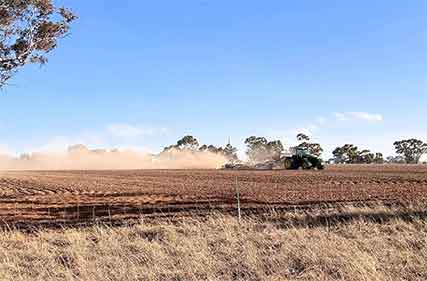
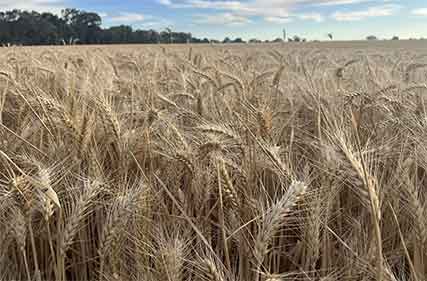
The nation’s grain producers are the biggest beneficiary of the rain, Mr Charteris said, with many on the cusp of harvesting a sizable crop – particularly in Victoria and South Australia.
“That said, the rain has been excessive in northern Tasmania and parts of New South Wales and Victoria, with flooding causing water logging of pastures and crops, which has led to some pretty significant downgrades to crop yields,” he said.
“The Western Australian crop has also been hit by mother nature, with the crop now expected to be three million tonnes down on earlier projections due to early spring frosts.”
Mr Charteris said the rain had also given the cotton industry a considerable boost, with 62 per cent of cotton producers expecting conditions to improve over the coming 12 months.
“The rain has not only spurred a large dryland plant this year, it has also shored up water availability for irrigators, which has facilitated the largest planting in five years – nearly double that of last year,” he said. “The market is also looking favourable, with domestic prices now trading up around $500 a bale.”
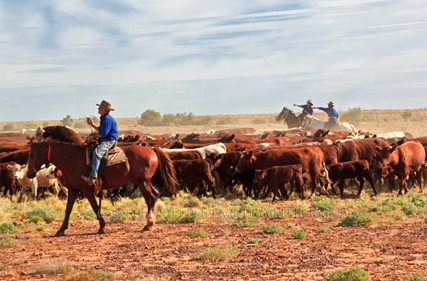
Graziers were also buoyed by the season and strong market conditions, with 40 per cent of beef and 35 per cent of sheep producers expecting conditions to be better next year.