 Decisions on how much pasture you have and how long will it last, adjusting livestock numbers, grazing strategies and managing to allow for an increase in natural capital are all to be made now.
There are a variety of methods used to calculate this, however what is important is that you know how much feed you have now and how long you expect it to last assuming we have no further rainfall. Knowing this gives you time to plan for the weeks and months ahead. In order to maintain ground cover it is critical that you are able to match your stocking rate (number and class of animals) with your carrying capacity (which varies significantly depending on rainfall).
Have critical dates in mind for reducing stock numbers (or moving stock off your pastures). If it hasn’t rained by this date, I’m going to destock x number of animals. This is likely to be a continuous process as we move further into dry times. By making these decisions early, it will allow you to conserve feed for your core breeding animals, allowing you to hang onto them for longer and/or significantly reducing the time you will need to hand feed.
By allowing your pastures to maintain greater than 80% ground-cover, your topsoil is protected from wind and water erosion; any rain we do receive will allow for some pasture growth and your pastures will recover quicker when good rain does come.
3. Grazing strategies in dry times
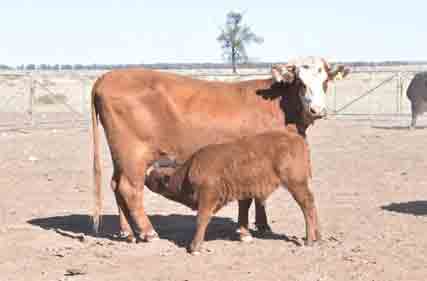
During dry times and with lower stock numbers, paddock rotations can be slowed to allow for longer pasture recovery periods. At David’s place on the day of the field day, 250 cows and calves had grazed a paddock for 3 days (photo above) and were moved into the next paddock which has had 120 days recovery. The pasture is a mix of phalaris, cocksfoot, microlena, a mix of annual grasses and clovers.
4. Managing to allow for an increase in natural capital
By managing your pastures to have short grazing periods and longer recovery periods this also allows for greater pasture diversity, as native and non-native perennial grasses perform best when rested after grazing. This is also important for the natural regeneration of Box Gum Grassy Woodlands for areas to have short grazing periods in Autumn and Winter and longer resting periods over Spring and Summer when native plants are seeding and germinating. Over the past 3 years of higher rainfall, the Marsh’s have observed significant natural regeneration across their property.