 How much water is left in your dam or waterway? How much longer will the water supply for your livestock last?
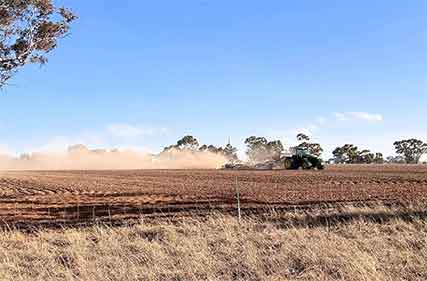
These are essential questions farmers are being urged to keep in mind as the dry conditions continue, with a forecast for a hot, dry summer season.
A priority for farmers during dry times should be to ensure that there are adequate amounts of good quality water available to stock to reduce the risk of decreased productivity and compromising livestock health.
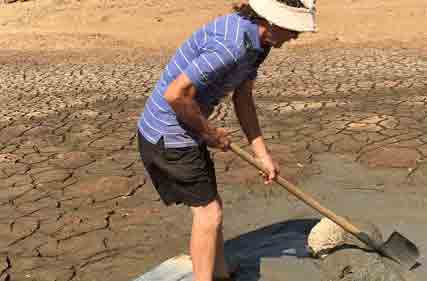
When water supplies dry out, cattle can become bogged attempting to access water, particularly if they are poor in condition.
Landholders need to monitor dams and creeks for signs of bogging where cattle have been accessing water and if bogging is beginning to exceed 30cm deep, calves or even adult cows, are very likely to get bogged, especially those in low body condition.
Removing a bogged adult beast can often require a tractor or heavy earthmoving machinery but leaving cattle bogged is unacceptable under animal welfare regulations, so prevention really is the only option.
Water quality is also important and should be monitored closely during dry times. As water levels drop, the water quality can decline. Dams can also become affected by Blue-Green algal blooms during hot weather periods.
Provision of water, including during droughts, is a legal obligation under animal welfare legislation and if you cannot provide your livestock with water, then you will need to make the decision to either sell or send stock on agistment.
There are a range of resources available on the Local Land Services website (see helpful links below) or you can call 1300 795 299 to speak to one of the South East Local Land Services team for advice.
Helpful links:
-Local Land Services