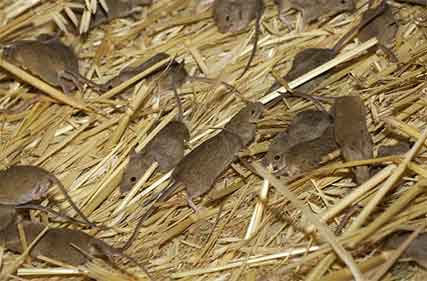
 Mouse infestation is surging across key cropping regions and posing an alarming threat to emerging Australian crops.
Numerous reports indicate high levels of mouse activity across Australia, with extremely high numbers recorded in Western Australia, moderate to high activity emerging in South Australia, particularly across Adelaide Plains & Yorke Peninsula.
While northern NSW and southern QLD are currently reporting the same rise in numbers.
In some WA regions, numbers are rapidly increasing with some paddocks seeing up to 8000 mice per hectare and between 3000 to 4000 active burrows (Source:CSIRO)
Therefore, it is critical for resellers to recognise population rise early to support farmers/growers with timely monitoring, stock availability and meet rapidly increasing demand to ensure effective mouse management.
Mice start breeding at just 6-8wks of age producing litters of 6-10 mice and can fall pregnant 3 days later so can produce litters every 19-21 days – so if you have 300 female mice per hectare that will be 1800 per hectare in 3wks time. Currently we are experiencing ideal conditions for rapid population growth with good rainfall and food sources being available.
As the mouse numbers can multiply with favourable conditions, early activity can quickly turn into widespread issue, creating dual pressure for resellers – support growers with effective control solution while also managing timely and sufficient bait supply during peak periods.
Signs of mice activity include chewed stems, damage to seed heads and/or debris at the base of the plant. They target freshly sown seeds often before crop emergence leading to significant crop damage and huge financial and yield loss to farmers and Australian agricultural industry.
Resellers have been urged to proactively engage with growers and emphasise the importance of monitoring using chew cards or burrow counts.
Baiting now will reduce breeding base for mouse and damage to crops.