 The Department of Agriculture and Food is reminding Western Australian livestock producers to check for lesser loosestrife in their paddocks and closely monitor their livestock’s health.
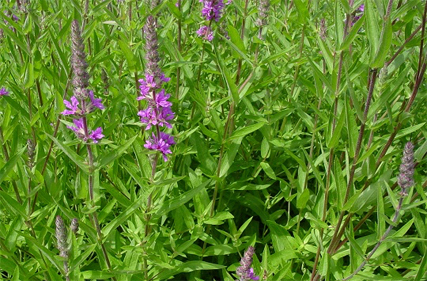
The lesser loosestrife weed (Lythrum hyssopifolia), also known as Hyssop loosestrife, is widespread in the southern agricultural areas of Western Australia.
The weed can cause significant mortalities in sheep, with one case already reported in the southern region this year.
Department veterinary officer Trudy Clarke said the wet conditions this year had favoured the lesser loosestrife growth and spread.
“The plant is often found behind dams and other areas where soil moisture persists,” Dr Clarke said.
“Lesser loosestrife is an upright, hard stemmed plant similar to rosemary that grows to 40cm in height and has tiny pink-lilac flowers.
“Leaf shape can vary and plant growth can appear prostrate where it has been browsed by livestock.
“The plant toxin causes the liver and kidney damage to livestock.
“Signs of lesser loosestrife toxicity in livestock include depression, lethargy, weight loss, sensitivity to sunlight and in severe toxicity cases, death of the animals.”
Dr Clarke said lesser loosestrife was particularly attractive to livestock when it was the only available green feed in a stubble or pasture paddock.
“In the coming months as paddocks dry off and animals are moved into stubbles, livestock producers, particularly in the southern areas, need to be vigilant in checking for the weed,” Dr Clarke said.