 NSW Farmers has welcomed the state government’s review into improving compulsory land acquisition, which it says will be vital to improving the energy transition process.
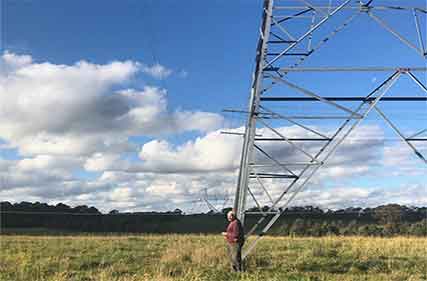
Farmers and communities in the path of major power line projects and renewable energy developments had long complained their concerns were being ignored in the race to secure Australia’s future energy supply.
NSW Farmers Energy Transition Taskforce chair Reg Kidd said the organisation had been actively advocating to the NSW Government and EnergyCo on the issue of improving compulsory land acquisition and Just Terms Compensation.
“The system at the moment is fundamentally flawed, it is completely ignorant of the needs of regional communities and agricultural production,” Mr Kidd said.
“This is where we’re seeing the acute problems with the energy transition and major road and rail projects right across the state, from the biosecurity impacts through to the limits placed on farming practices and the social upheaval for communities.
“NSW Farmers is committed to securing better outcomes for people being negatively impacted through this process, and we welcome this review.”
According to the NSW Government, the Land Acquisition Review would consider a whole-of-government approach to acquisitions, including processes undertaken by agencies when acquiring land, roles and responsibilities.
Consideration of measures to ensure genuine negotiations and outcomes, better coordination of multiagency acquisitions, clarifying certain compensation provisions, and potential legislative amendments to clarify requirements were welcomed by NSW Farmers.
Mr Kidd said striking the right balance between the rights of landholders, the potential impact to agricultural productivity, and the need for new public infrastructure such as railway lines, roads or renewable energy projects was absolutely vital.
“We’re looking at a future where we’ll need to feed and clothe more people but at the same time there’s the need to keep our state moving forward,” Mr Kidd said.
“Governments and developers must remember when they’re planning these projects that will impact existing properties that these are people’s homes, their businesses, their farms, and these things are really important to those people.
“So, we’ve been saying don’t just get the planning right, but do it well, be a model citizen in dealing with the damage to people’s lives and livelihoods so they don’t wind up damaging families and communities or destroying our precious productive potential.”