Dr David Johnston, principal scientist, Animal Genetics and Breeding Unit. Image Kim Woods
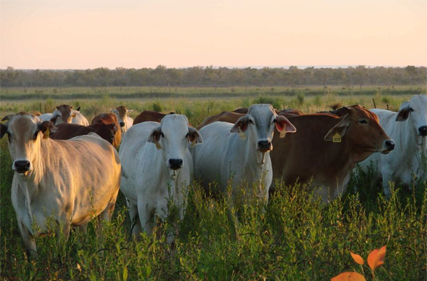
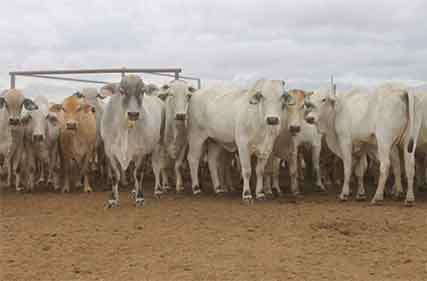
Selecting genetics to future proof the nation’s cow herds for those tougher times is focusing on breeding a more resilient female for Australia’s challenging environment.
Dr David Johnston, principal scientist, Animal Genetics and Breeding Unit (AGBU), Armidale, has been working on research focused on survival and resilience in lactating first calf cows in Hereford and Angus herds in NSW and Victoria.
The research involves collecting objective measurements using ultrasound on the cow body composition traits of liveweight, hip height, P8 (rump) fat, rib fat and the eye muscle area to give a Cow Body Composition estimated breeding value (EBV).
Dr Johnston said skinny cows in drought often meant limited fat reserves, inefficient feed utilisation, lower fertility, high milk production, or maintenance and skeletal growth was greater than what the cow could eat.
“Body condition then becomes not only a function of the cow’s weight but the interaction of her height, muscle and fat,” he said.
Dr Johnston was a keynote speaker at the Pasture Agronomy Service conference at Wagga Wagga on March 10.
With the cow body condition trait using objective measures being 32 per cent heritable, Hereford and Angus bulls have been identified with the ability to produce daughters with above average body condition scores as first calf cows at mating.
“Some of the bulls have lower or higher milk, some are fat and some are lean so in a sense there is no one trait telling us why those cows are getting in a low condition. That’s why we need a new EBV to describe it as we cannot rely on the other EBVs to tell us about cow body composition,” Dr Johnston said.
“Using the fat EBVs (rib and rump) as they are published will not help you breed cows that remain in good body composition. I hear many producers are selecting for positive fat because they need it for their cows – it’s rubbish, it doesn’t work because there is no relationship between the carcase EBVs and the body composition of their daughters.
“The P8 and rib EBVs are not the same as a Cow Body Composition EBV.”
In the Australian herd, Angus cattle are being selected for higher growth and carcase weights, and reduced age of turn off. At the same time mature cow size and milk production is increasing.
In the US, mature cow size and dry matter intake has increased in the Angus and Hereford populations.
According to data from the US Meat Animal Research Centre, Angus lead all breeds for carcase weight and maternal milk, with those genetics influencing Australian herds.
“We need to be careful as our environment and our production systems are quite unique and that has consequences for our commercial producers,” Dr Johnston said.
“How do we prevent skinny cows? Body condition is a function of genetics and the environment, and if the environment is limiting, genetics become even more important in terms of what is controlling the body condition of that cow.”
It is critical producers assess cow size by benchmarking EBVs against cow weight in their herd then match cow size to feed supply. Also assess how much milk is produced as it is a large cost in terms of a kilogram of weaning weight from milk versus a kilogram of weaning weight from growth.
“The question is do we breed for an average, best or worst season in terms of genetics, including matching the right breeds in the cow herd to take advantage of the fitness traits or cow survival generated by hybrid vigour.
“We should be looking at terminal and maternal lines – do we need those big growthy high marbling, high yielding genetics in our cow herd? Producers can use a terminal sire and slaughter the heifers or use maternal lines for moderate sized, efficient females.”
Dr Johnston encouraged producers to record nett feed intake, cow survival and disposal to further contribute towards the AGBU research CBC EBVs.
“Another drought is coming and the genetics in your cow herd will matter, and how you get through that is important. We need to be watching seedstock trends, put more emphasis on cow traits and we need this cow resilience EBV to ensure we are future proofing our cow herds for those tougher times.”