
Sheep

Sheep

Wool, lamb, and Merino genetics, covering what's shaping Australia's sheep industry.

Waters family wins grand champion in ASWGA fleece competition

Waters family wins grand champion in ASWGA fleece competition

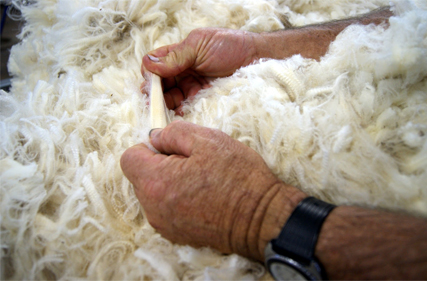
Angie & David Waters have won in three categories of the ASWGA Fleece competition, the class 80s quality along with first place in the New England region and Grand Champion Trophy for the best overall fleece sponsored by Australian Council of Wool Exporters & Processors.

Redeveloped Sheep Genetics database means new tools for commercial breeders

Redeveloped Sheep Genetics database means new tools for commercial breeders

Sheep Genetics has implemented its analysis enhancements for 2022 with the enhancements including a range of technical updates to the analysis centred around two key themes.

AWU not convinced genuine worker shortage in wool industry

AWU not convinced genuine worker shortage in wool industry

The Australian Workers’ Union says this week’s wool industry appeal for Pacific Island workers to be used to fill a supposed worker shortfall is just another attempt to undercut pay and conditions using cheap imported labour.

Shipping and dumping delays puts pressure on exporters and processors

Shipping and dumping delays puts pressure on exporters and processors

The AWEX EMI closed on 1427c – up 26c at auction sales in Australia this week. The 41,298 bale offering enjoyed a very healthy 91% clearance rate, with Sydney’s 94.3% clearance well ahead of the other centres.

First cross ewe lambs up $28 but crossbred lambs ease by $16

First cross ewe lambs up $28 but crossbred lambs ease by $16

First cross ewe lambs registered the largest price rise across the lamb categories last week – up $28 to average $202/head. The offering of 3,184 head reached a clearance of 85%.

Learn how good data drives genetic gain in sheep

Learn how good data drives genetic gain in sheep

In the past few weeks Sheep Genetics hosted several webinars for members about the 2022 Analysis Enhancements with more regional forums planned.

Merino fleece, skirtings and cardings experience good price rises

Merino fleece, skirtings and cardings experience good price rises

Export activity was led by the large Australian traders who were pushed aggressively throughout the week by the Chinese indent buyers keen to keep continuity in their weekly purchase levels.

Unjoined Merino ewes up by $23 to average $182

Unjoined Merino ewes up by $23 to average $182

NSM Merino ewes registered a $23 rise week-on-week, with the category averaging $182/head. Clearance rates were boosted in the days following the sale, up from 35% to 54% across the 5,111 head offered.

Rolling shutdowns in China create wool exports disruption

Rolling shutdowns in China create wool exports disruption

There are reports our major customer, China who purchase over 80% wool exports, is facing significant problems with manufacturing as rolling shutdowns of factories and strict lockdowns of entire cities and ports are implemented in attempts to tame the Covid spread.

Joined shedding ewes bear brunt of falling prices and down $341

Joined shedding ewes bear brunt of falling prices and down $341

SIL Shedding breed ewes recorded the greatest decline in prices, selling from $114-$306, to average $224/head – back $341. The decline in prices for the category coincided with reduced listings and clearance rates – reaching a 47% clearance for the 581 head offered.

Crossbred lambs back $4 and Merino wether lambs ease by $6

Crossbred lambs back $4 and Merino wether lambs ease by $6

Crossbred lamb numbers eased slightly on the previous week, selling from $111-$181, to average $156/head, back $4 for the 9,693 head offered.

Logistic bottlenecks continue to frustrate wool industry

Logistic bottlenecks continue to frustrate wool industry

The key frustration of the wool industry remains the bottleneck in logistics, specifically sea freight and containerisation. In turn, these factors have added crippling financial pressures to the exporters extending their funding cycles to double or even triple, and severely limiting exporters capacity to purchase freely each week.